Bhutan Travel Cost Per Day: 2026 Complete Budget Guide
Discover the real Bhutan travel cost per day in 2026, including SDF fees, what’s included, and how to plan a trip that fits your budget. Get a quote today.

Dive into a world of stunning Himalayan vistas, rich traditions and unparalleled tranquility.
All wrapped into one extraordinary tour package.
Your perfect Bhutan journey awaits.
Explore Bhutan with the best Bhutan travel agency.
Seize it now!








Explore stunning photos and videos from past Bhutan trips.
Read authentic testimonials from both first-time travelers and returning guests.
Discover why we are the best Bhutan travel agency.
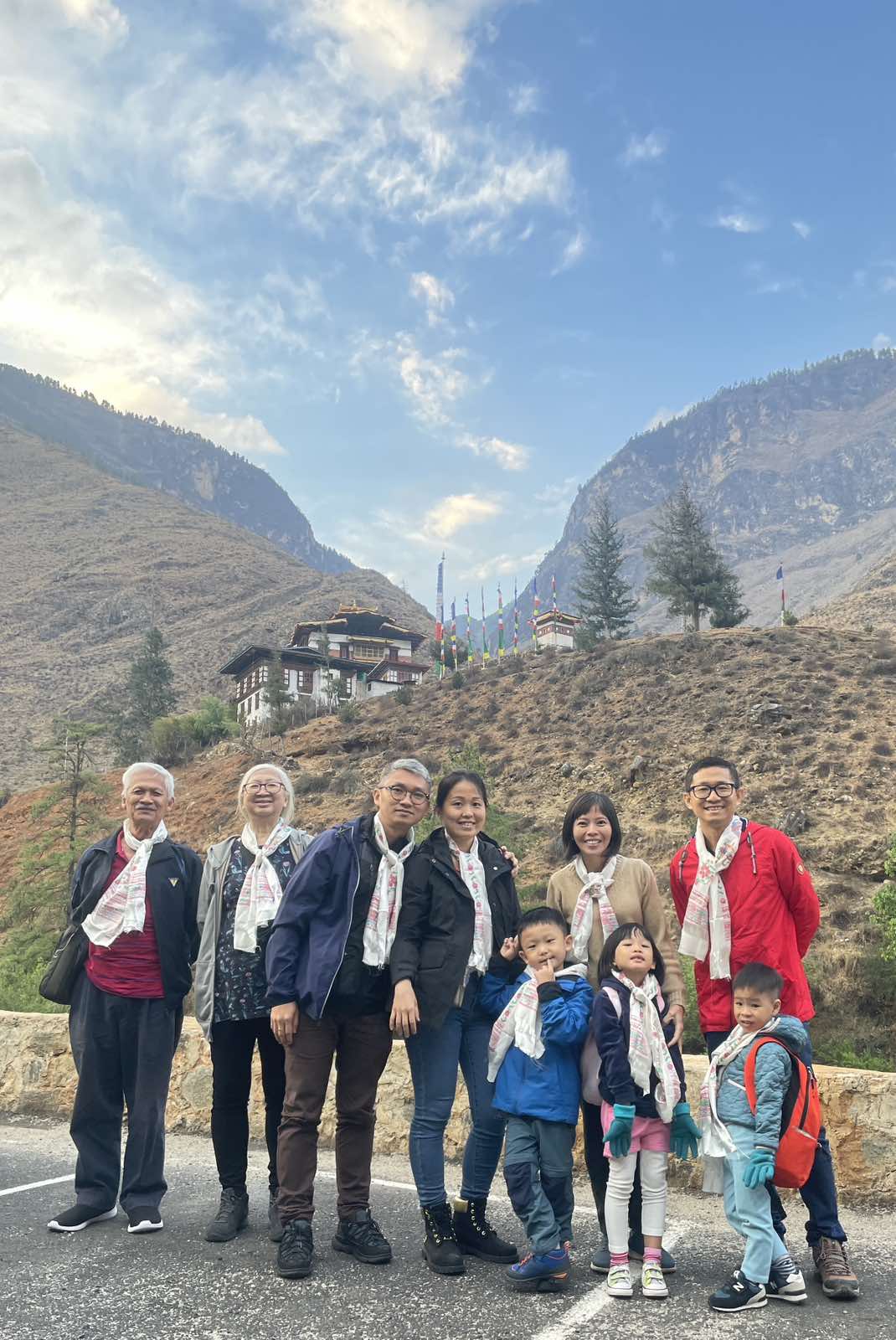
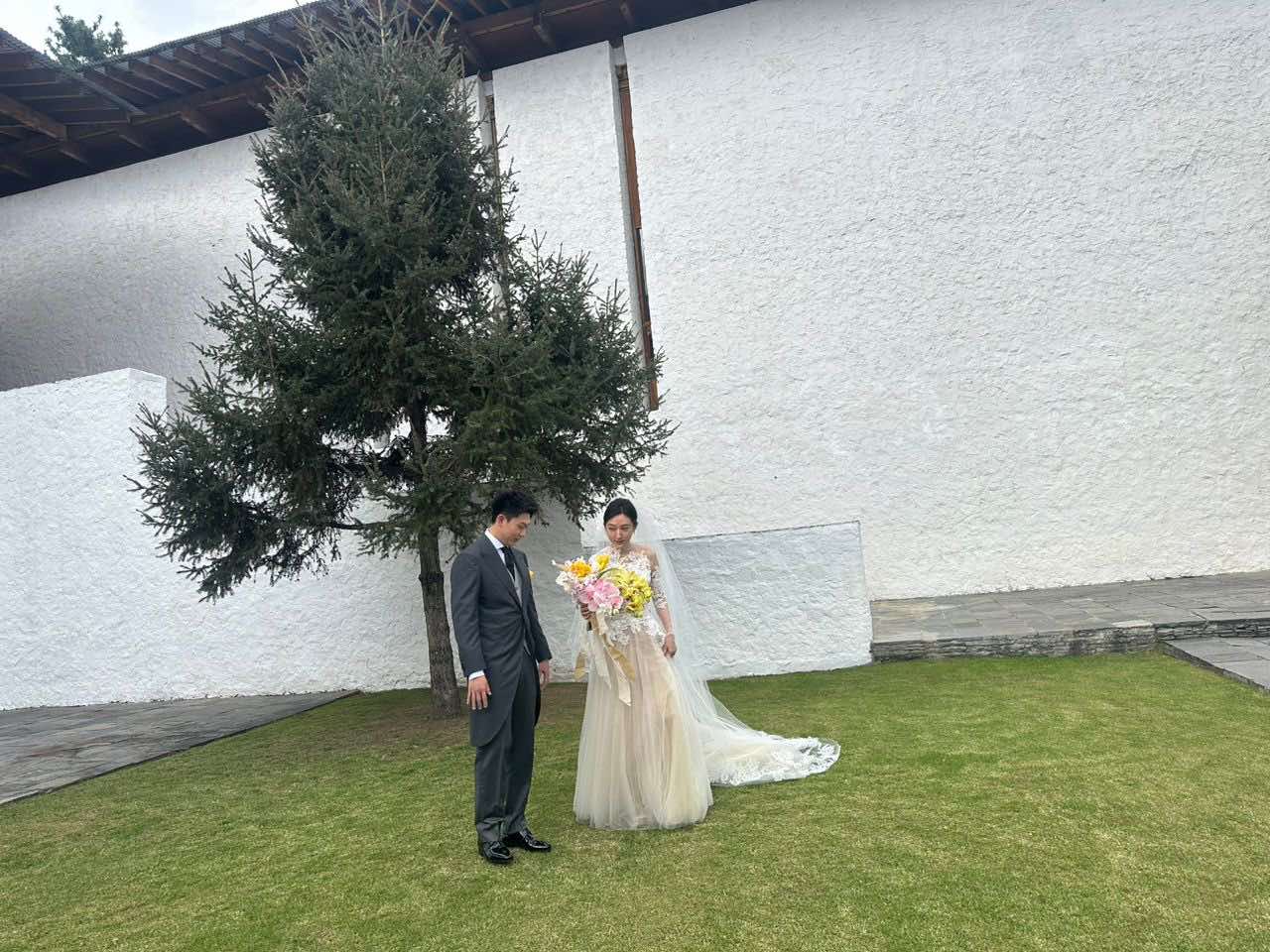
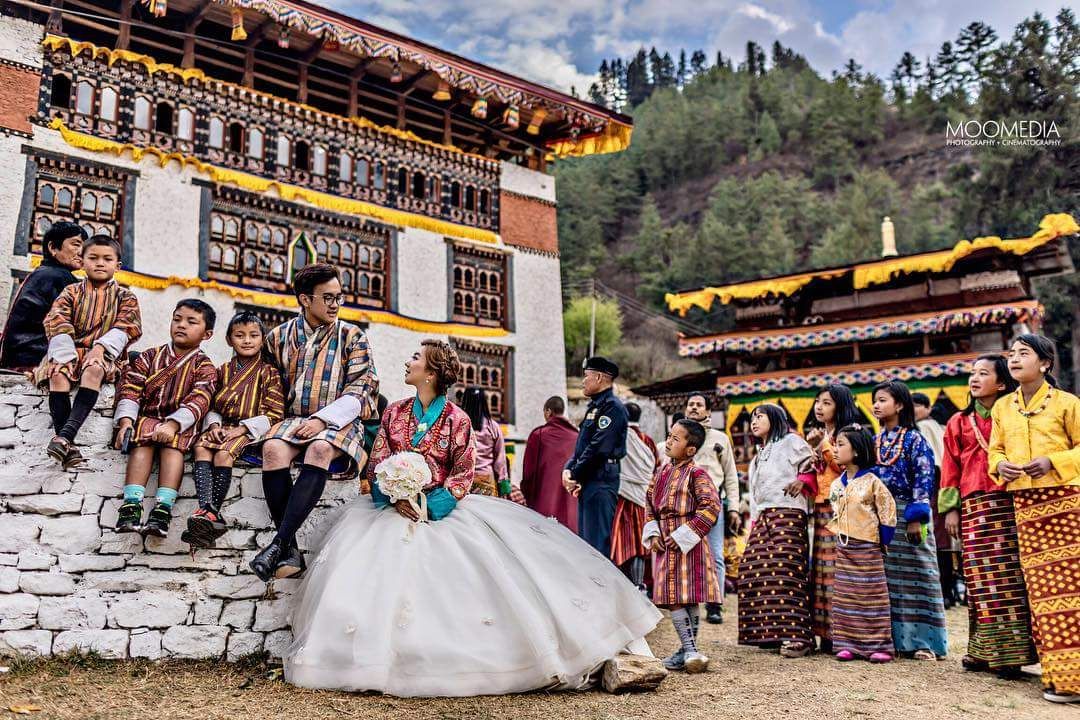
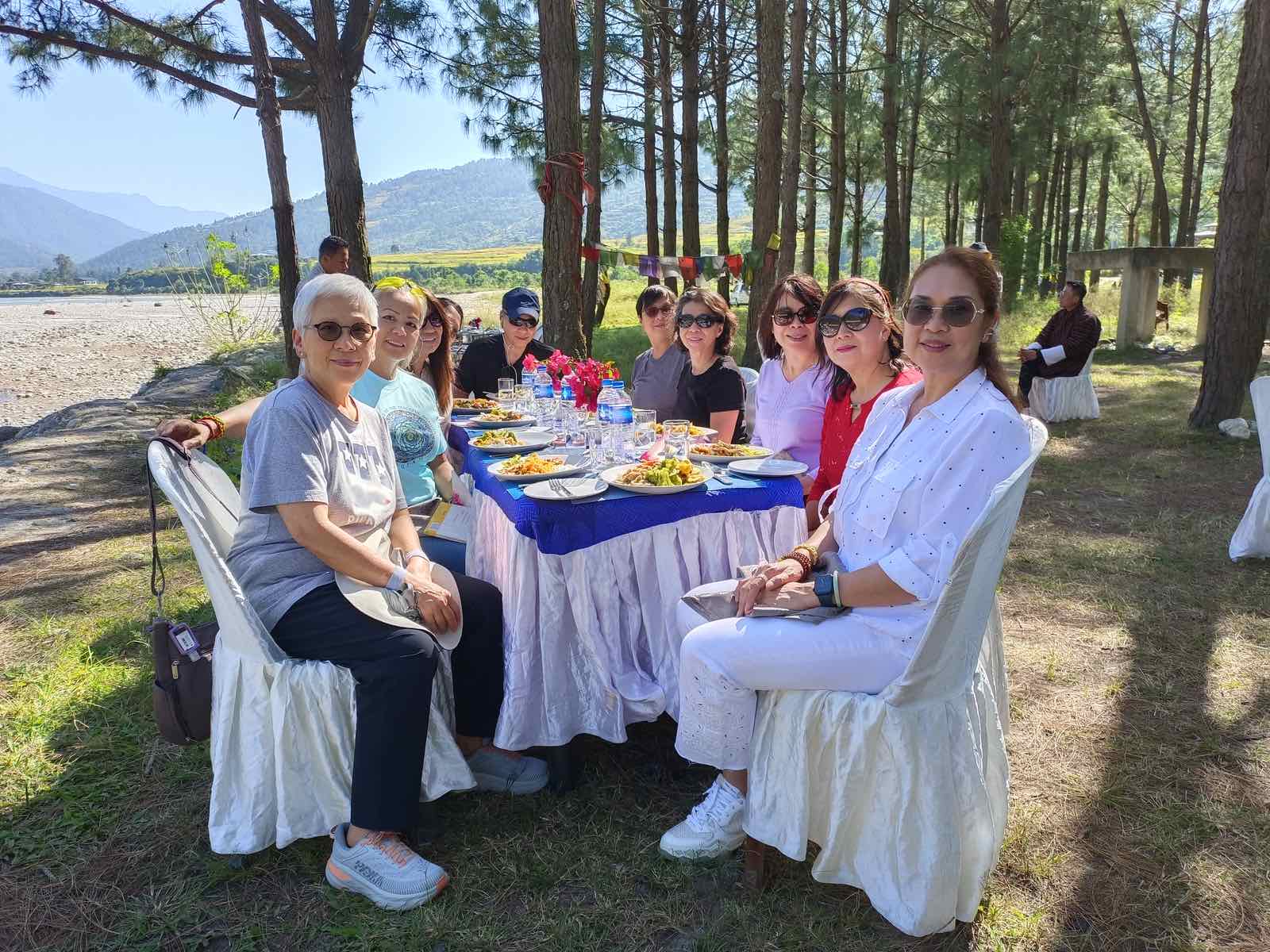


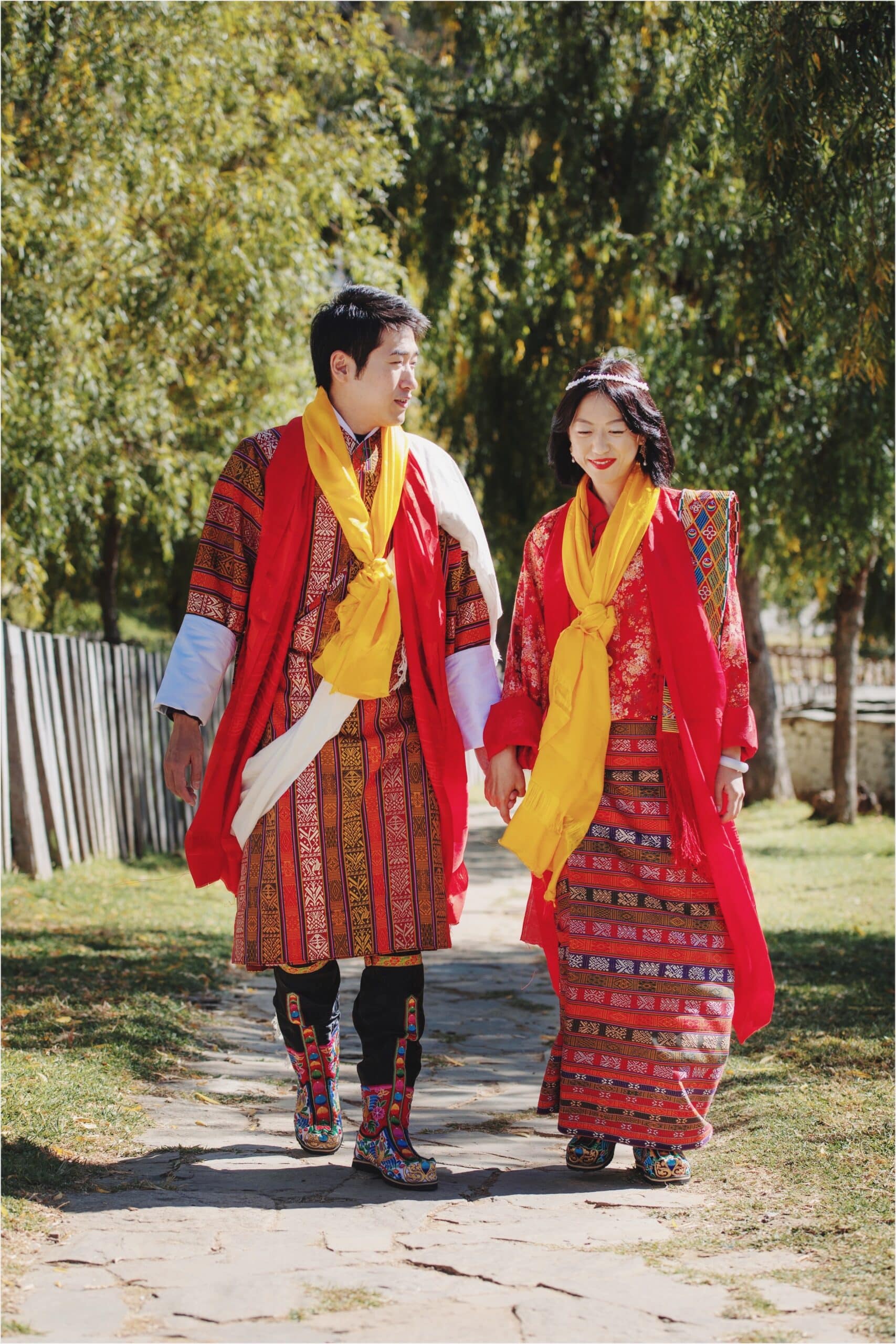
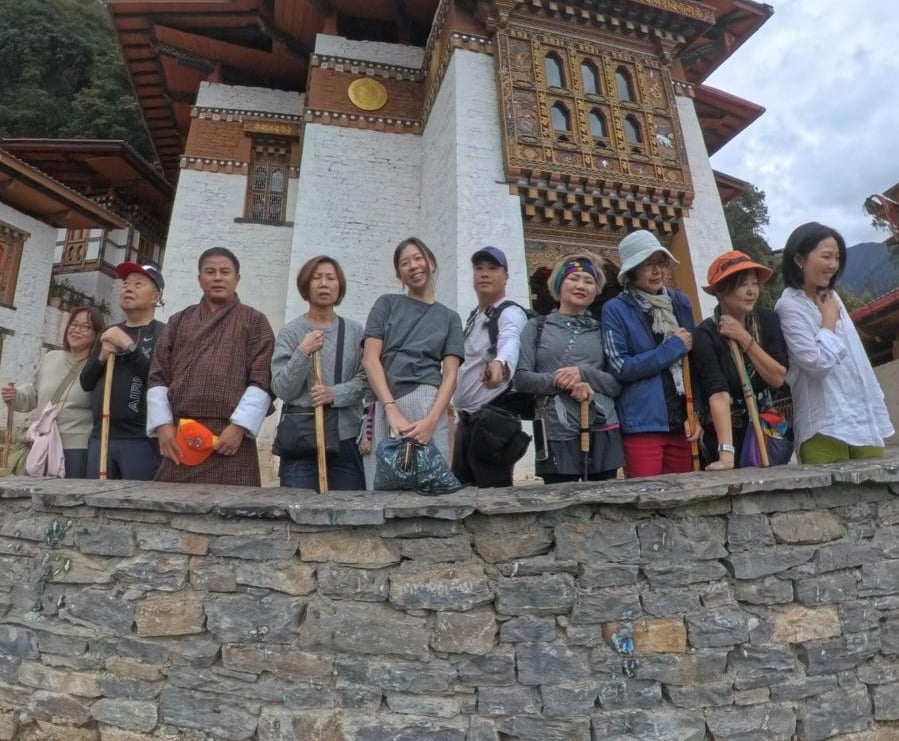

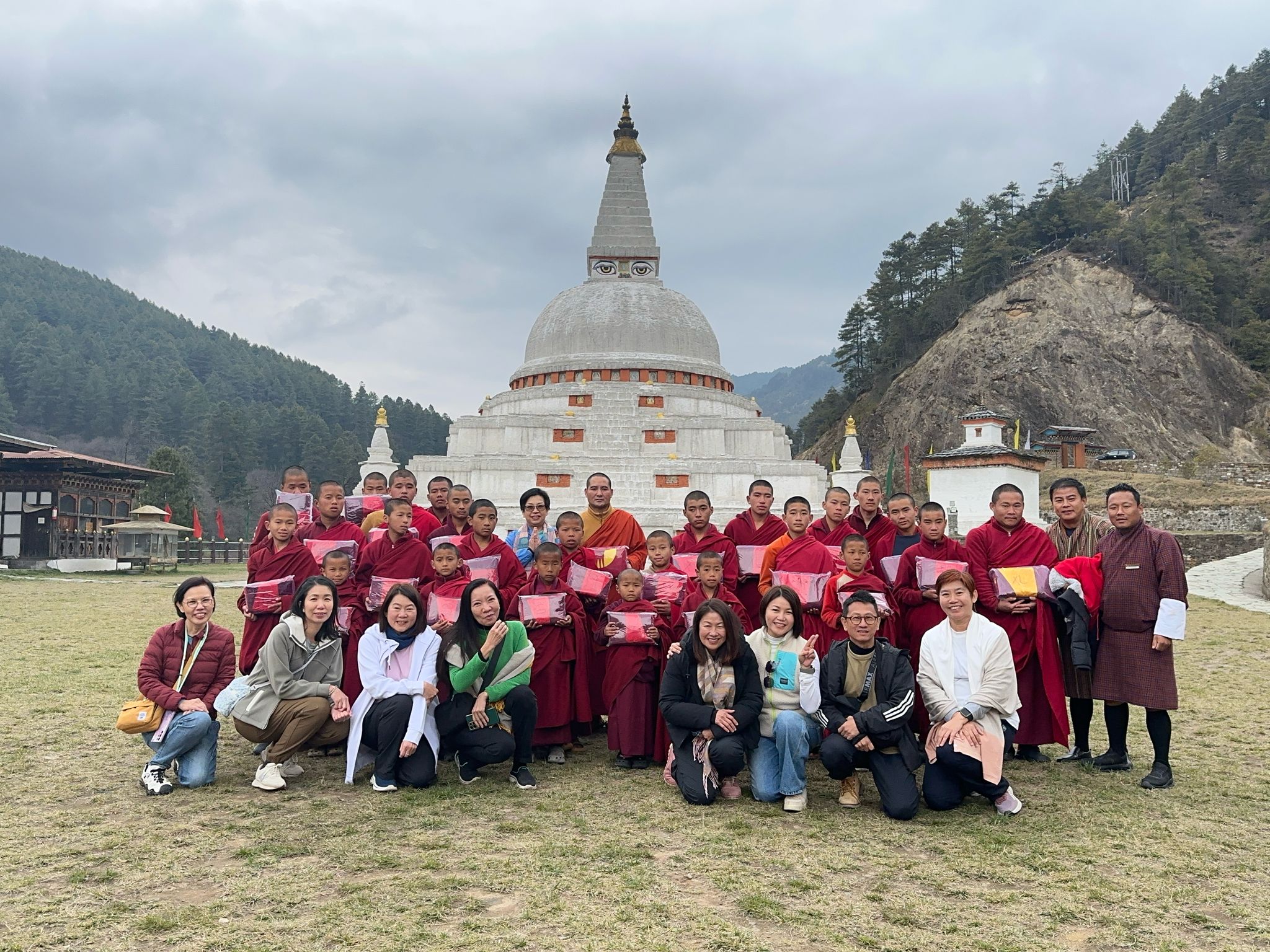
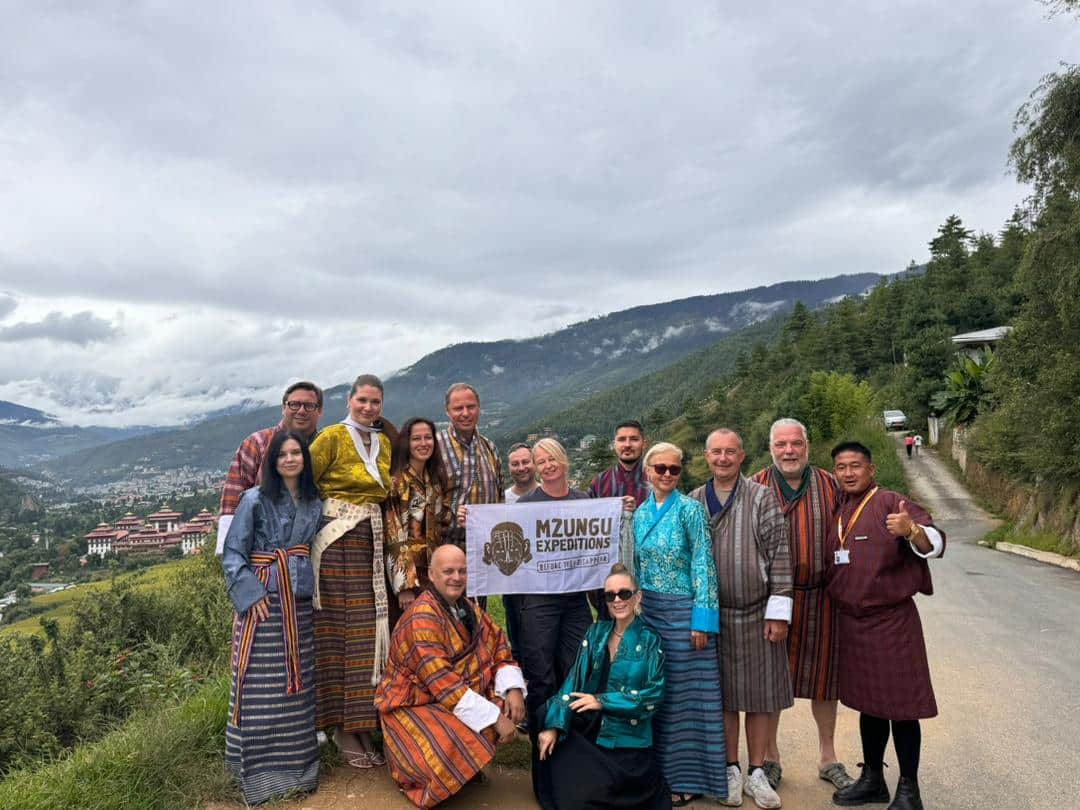


On a strict schedule? Fret not, just state your preferred date of departure and we’ll make it happen.
Private blessings with lamas, farmhouse homestays, and festivals untouched by crowds.
Meet your personal storyteller, fluent in culture, history, and hidden trails.
From serene monastery stays to adrenaline-pumping river rafting, your trip, your way.
We only put you up in reputable hotels that guarantee you a comfortable and relaxing experience.
We take honesty and integrity very seriously. Our prices are transparent to ensure complete trust.
Travel responsibly, support local communities, and leave only footprints.

We recently returned from an amazing trip to Bhutan with Bhutan Best Travel. Everything was smooth and well organised from start to finish, but what truly made the trip special were our guide, Sangay, and our driver, Pema. Sangay’s knowledge of Bhutanese history seemed endless, and he shared stories of monasteries, fortresses, and valleys in an engaging and easy way. It felt less like a history lesson and more like a friend proudly introducing his country. His sense of humour and cheerful personality kept us entertained throughout the trip, making long drives and hikes feel much easier. He was also very attentive, always knowing when we needed a break or a photo stop, and often helped capture our favourite moments as our photographer. Our driver, Pema, deserves special mention too. He must have driven these mountain roads hundreds of times, yet he approached every journey with patience and professionalism. We were always greeted by a clean and tidy vehicle, no matter how dusty the roads had been the day before. It may seem like a small detail, but after long days of sightseeing, it was something we really appreciated. There are so many special memories from this trip, but one that stands out happened on our 3rd night, coincided with Vesak Day. From the viewpoint of our hotel in Punakha, there's a full moon rise over the valley. The night was incredibly peaceful, the moonlight, surrounding mountains, and twinkling lights below created a scene that felt almost unreal! The hike to Tiger’s Nest and the Mini Tiger’s Nest also remains one of the clearest memories we brought home from Bhutan. What made the experience truly memorable, however, was seeing the country through the eyes of people who genuinely love it. Thank you, BBT, Sangay and Pema, for turning a wonderful holiday into a journey we will remember for many years to come.

We had some of the best guides we could ever ask for, sharing deep knowledge and wisdom about Buddhism and the culture of the country. We also stayed in very nice and clean hotels — not overly luxurious, but filled with warmth and genuine hospitality. The food was fantastic as well, especially for those who enjoy spicy cuisine, something many Asians can easily relate to. Over the 7 days and 6 nights, we created many fond memories through trekking, exploring, and enjoying the local food and culture. The weather in April is just perfect — not too cold and ideal for trekking and spending time in nature. You don’t need to wear too many layers, yet it never feels too hot during the day. It made the entire hiking and outdoor experience very comfortable and enjoyable. Thank you, Bhutan Best Travel, for such a meaningful and memorable experience!

Excellent private tour of Bhutan. The itinerary was very well organized, the hotels were great, and the whole experience felt smooth and stress-free. Our guides, Dorji and Tashi, were both extremely kind, helpful, flexible, and always attentive to what we wanted to do each day. They made the trip much more enjoyable. Bhutan itself is extraordinary, and this was a perfect way to discover it. I would highly recommend this agency to anyone looking to visit Bhutan in comfort and with complete peace of mind.

We just got back from a 10-day trip from western and central Bhutan. We selected BBT due to Jaclyn's responsiveness and her ability to tailor the itinerary to our needs. The trip was well planned and gave us ample time to acclimatise, with shorter hikes and gradually building up to longer ones. We opted for mid-range hotels and were generally happy with the choices. The 4x4 was always clean, spacious, comfortable and solid - something that's important when travelling on mountain roads. Now comes our guide Sangay and driver Khandu. What can I say..... They were in fact the highlight of our trip (well, of course besides Tiger's Nest ;D)! Sangay was wonderfully thoughtful judging from the smallest details, like arranging the best room views for us without us asking & special local food arrangements. He's also extremely knowledgeable. His cheeky personality kept us entertained on long drives. Khandu was a quiet and safe driver, and incredibly funny and thoughtful as well. Together, they formed such a great team that made the experience exceptional for us!


Fast-track your visa for a smooth travel timeline.
Full refund if your Bhutan visa isn’t approved.
Visa support plus handcrafted Bhutan tour packages.



Jaclyn Zhang

Nidup Dorji
Discover the real Bhutan travel cost per day in 2026, including SDF fees, what’s included, and how to plan a trip that fits your budget. Get a quote today.
Understand Bhutan visa requirements 2026 — fees, SDF rules, application steps & entry tips. Plan your trip with confidence. Get expert help from Bhutan Best Travel.
Plan your perfect bhutan itinerary 7 days with expert tips on routes, costs, permits & top sites. Start your dream trip with Bhutan Best Travel today.
Discover essential Bhutan travel tips for 2026 — from visa rules and SDF fees to festivals and packing. Plan smarter with Bhutan Best Travel today.
Find the best Bhutan tour operators in 2026. Compare packages, understand SDF fees, and plan your perfect trip with expert guidance. Explore tours now.
Plan your perfect bhutan itinerary 14 days with expert tips, day-by-day routes, and insider advice. Book with Bhutan Best Travel for a curated 2026 experience.
We’re here to help make your dream journey come true.
Bhutan’s Paro International Airport (PBH) is served exclusively by Drukair (Royal Bhutan Airlines) and Bhutan Airlines, with connections via Bangkok, Delhi, Kathmandu, and Kolkata. Here is your complete routing guide from Taiwan, including flight times, recommended connections, and arrival tips.
Primary routing: Taipei Taoyuan (TPE) → Bangkok Suvarnabhumi (BKK) → Paro (PBH)
Total travel time: Approximately 9–11 hours including connection
Why Bangkok: TPE–BKK is excellently served by EVA Air, China Airlines, Thai Airways, and Bangkok Airways; Drukair and Bhutan Airlines operate direct BKK–PBH daily
Alternative routing: Taipei → Delhi (DEL) → Paro — 10–13 hours; excellent if combining with India
Alternative routing: Taipei → Kathmandu (KTM) → Paro — Drukair flies Kathmandu–Paro direct; TPE–KTM connections via Bangkok or Hong Kong
Bangkok stopover: Given the short total journey, many Taiwan travellers add 2–3 nights in Bangkok — Bhutan Best Travel arranges complete multi-destination itineraries from Taipei
Bhutan + Nepal: TPE → Kathmandu → Paro → Bangkok → TPE — a complete Himalayan circuit; Drukair operates Kathmandu–Paro direct
Bhutan + India: TPE → Delhi → Paro → (optional Varanasi or Rajasthan) → TPE — pairs Bhutan with India’s cultural heartland
Bhutan + Thailand: TPE → Bangkok → Paro → Bangkok → TPE — natural 10–12 day Southeast Asia + Himalayan circuit
Bhutan + Singapore: Bhutan Best Travel is based in Singapore — convenient stopover option for Taiwan–Bhutan itineraries
Note: Bhutan Best Travel specialises in custom multi-country Himalayan itineraries for Taiwan clients — contact us to build your ideal Bhutan + Asia journey
Paro International Airport (PBH) is one of the world’s most technically challenging airports. The approach through the Himalayan valley requires specially certified pilots — only a handful of pilots worldwide are qualified to land at Paro.
Altitude: 2,235m (7,332 feet) — expect mild breathlessness on arrival if coming from sea level.
Terminal: Small, modern, and efficient. Immigration is fast and friendly.
Your guide meets you: Bhutan Best Travel’s certified guide will be waiting at arrivals with a name board.
Currency: ATMs in the arrivals hall accept Visa/Mastercard. Carry some TWD cash for initial tips and small purchases.
Phones: Local SIM cards (B-Mobile or TashiCell) available at the airport — recommended for in-country connectivity.
Bhutan has four distinct travel seasons — spring festivals, pre-monsoon trekking, peak autumn, and quiet winter. The best time for Taiwanese travellers depends on your holiday calendar and travel style. Here is how Bhutan’s seasons align with Taiwan travellers’ key travel windows.
農曆新年 (Lunar New Year) is Taiwan’s most important holiday — and Bhutan celebrates its own Losar (Tibetan Buddhist New Year) in the same January–February window. The overlap creates a uniquely resonant cultural experience: two Buddhist-influenced New Year traditions meeting in the Himalayas.
February Bhutan: Off-peak season with crystal-clear winter skies, minimal tourists, and the best mountain views of the year.
Temple rituals: Bhutanese Buddhist New Year ceremonies at monasteries and dzongs are particularly moving for Taiwanese visitors familiar with temple culture.
Book 2–3 months ahead for CNY departure — popular among Taiwan and Chinese-speaking travellers.
清明節 (Qingming Festival, early April) and the spring holiday season align with Bhutan’s Paro Tsechu — the country’s most important annual festival. The timing creates a rare opportunity to combine a traditional ancestral observance weekend with one of Asia’s most spectacular religious events.
Paro Tsechu features 5 days of sacred Cham masked dances, thangka unfurling, and traditional archery at Paro Rinpung Dzong. The cultural and Buddhist parallels with Taiwan’s own festival traditions are striking.
Spring weather: Bhutan’s rhododendron forests peak March–April — extraordinary mountain colour.
Book by November for Qingming/spring travel.
Taiwan’s National Day holiday (October 10) and mid-autumn season align with Bhutan’s absolute peak travel month. October brings crystal mountain views, harvest festivals across Bhutan’s valleys, and the Thimphu Tshechu (late September/early October).
Book 4–6 months ahead for October Golden Week travel — Bhutan’s most popular month for Asian visitors.
For trekking enthusiasts: October is the finest month for the Druk Path Trek, Jomolhari Trek, and Bumthang Cultural Trek — all reachable within a 12-day itinerary from Taiwan.
Taiwan’s winter holidays and year-end long weekends are an excellent Bhutan travel window. December–January offers Bhutan at its most serene: minimal tourists, best hotel availability, low-season pricing, and the unique Phobjikha Valley experience (black-necked cranes from Tibet, November–February).
For Taiwan nature photographers: December provides the clearest mountain light of any season — Himalayan peaks reflected in frozen lakes and valley frost offer extraordinary photography conditions.
Valley temperatures: 5–15°C — cool but sunny days. Bring warm layers for evenings.
Mid-Autumn Festival (September/October) travel is detailed above.
Everything Taiwanese travellers need to know before departing for Bhutan: visa requirements, currency and payments in Taiwan Dollars (TWD), travel insurance, time zone differences, and return entry requirements.
Republic of China (Taiwan) passport holders require a Bhutan visa arranged through a TCB-licensed agency before travel. The visa is processed in 5–7 working days. Bhutan does not maintain formal diplomatic relations with Taiwan but processes visa applications for Taiwanese tourists routinely through TCB-licensed operators.
Our visa process:
Visa guarantee: Bhutan Best Travel offers a 100% visa approval guarantee — if your visa is not approved (an extremely rare occurrence), we refund your full deposit.
Bhutan Best Travel quotes all packages in USD for international clients. Payments can be made in TWD.
Exchange rate reference: NT$1 TWD ≈ ~2.6–2.8 BTN per TWD (Bhutanese Ngultrum, pegged 1:1 to Indian Rupee).
In Bhutan: USD cash is widely accepted at hotels and major shops. ATMs in Thimphu and Paro accept Visa and Mastercard. Inform your bank of Bhutan travel before departure to avoid card blocks.
Cash recommendation: Carry USD 100–200 in small bills for tips, small shops, and local markets. Major purchases at hotels are easily settled by card.
No tipping requirement: Tipping in Bhutan is appreciated but not expected — your guide and driver are well compensated as part of the package.
Taiwan National Health Insurance (NHI) does not cover international emergency medical evacuation. Comprehensive travel insurance including helicopter evacuation (costs can reach NT$300,000–1,500,000 from remote Bhutanese mountain areas) is strongly recommended. Ensure your policy covers 高海拔健行 (high-altitude hiking) if trekking is planned.
Essential coverage for Bhutan:
Bhutan Best Travel recommendation: Advise your insurer that your destination is Bhutan, confirm “trekking and adventure activities” is covered if applicable, and carry your insurance card and emergency number at all times during the tour.
Bhutan Standard Time (BST) is UTC+6.
Time difference for Taiwan travellers:
TST (UTC+8): Bhutan is 2 hours behind
Taiwan shares the same time zone as Hong Kong, Singapore, and Malaysia — making Bhutan one of the easiest international destinations for Taiwan travellers in terms of time zone adjustment.
Practical tip: Set your watch back 2 hours at Paro. You will adapt immediately — no jet lag concerns for Taiwan visitors.
Taiwan Ministry of Foreign Affairs (MOFA) travel advisory: Bhutan is rated No travel advisory for Bhutan. The country has no history of civil unrest, terrorism, or crime targeting tourists. Bhutan consistently ranks among Asia’s safest destinations.
NIA (National Immigration Agency) standard re-entry procedures apply on return to Taiwan. No Bhutan-specific restrictions. Declare food items and plant material at customs as required. Popular Bhutanese items: hand-woven textiles, thangka paintings, handcrafted wooden items, and organic products — all permitted under Taiwan customs regulations.
No. There are no direct flights between Taiwan and Bhutan.
Common Routes: Most travelers from Taiwan connect through major regional hubs that have direct flights to Paro International Airport (PBH). The most convenient transit points are:
Bangkok (BKK): The most popular hub with frequent flights via Druk Air or Bhutan Airlines.
Singapore (SIN): Another major transit hub with direct flights to Paro.
Delhi (DEL) or Kathmandu (KTM): Alternative, though often less convenient, options.
No. Despite some conflicting information online, there is no official Bhutanese Embassy or Consulate in Taiwan.
Because there is no official diplomatic mission, you cannot seek consular services or visa assistance within Taiwan. All visa and travel formalities are handled entirely online through your licensed Bhutanese tour operator.
Safety Tip: Always verify that your tour operator is listed on the official Bhutan Department of Tourism website before making any payments to avoid fraudulent bookings.
The best Bhutan travel agency should be licensed by the Tourism Council of Bhutan and demonstrate extensive local expertise. Look for Bhutan travel agencies that:
Yes, you can customise your Bhutan trip! Flexibility includes:
Simply share your preferences with our team, and we’ll work together to create your ideal Bhutanese journey, keeping in mind any seasonal or permit requirements.
Yes, we guarantee your Bhutan visa application process with a full refund policy!
Our Guarantee:
For the smoothest experience, we recommend:
Peace of mind guaranteed – Book with confidence!
We recommend booking 2-3 months in advance for the best experience. Here’s why:
Peak Seasons (Book 3-4 months ahead):
Regular Seasons (Book 1-2 months ahead):
Last-minute bookings possible but:
Book early for better rates, preferred accommodation, and smoother visa processing!
Yes! Your flight to Bhutan is fully covered in our travel packages.
What We Handle:
Essential Services:
Entry & Activities:
Transportation:
Yes, we do! Bhutan Best Travel offers exclusive discounts for group bookings. Whether you’re planning a trip with family, friends, or a corporate team, we’re happy to provide a customized deal just for your group.
We recommend all travellers to obtain their own travel insurance.
A Commitment to Sustainable Tourism
Bhutan’s Sustainable Development Fee (SDF) is a cornerstone of the country’s visionary
“High Value, Low Volume” tourism strategy. This mandatory daily charge ensures that
tourism aligns with Bhutan’s goals of environmental conservation, cultural preservation, and
equitable socio-economic growth for its communities.
Standard Fee Structure
Special Rates and Conditions
The SDF funds development projects, preserves cultural traditions, enhances
sustainability, upgrades infrastructure, and provides free healthcare and education.
A visa is to be obtained through a foreign or local agent in Bhutan (excluding Indians, Bangladeshis and Maldivians).
We require a scanned clear copy of your passports to process visas. Payment is required to be made in full in order to process your visa. Please ensure that your passport has more than 6 months of validity.
There is will be no charge for delays in arrival and departure due to weather conditions, flights disruption or road blocks. However, the guest will have to bear the cost of food, accommodation transportation and other services required.
Bhutan’s currency is the Ngultrum (Nu.) that is at par with the Indian rupee. US dollar are also accepted only at certain shops, restaurants and hotels. Generally, credits cards are not accepted, with the exception of hotels.
Almost all hotels in Thimphu and Paro have internet access. Mobile (cell) phones are also widely used with international roaming facilities.
Bhutan is an ideal place for photographers, offering immense opportunities for photography, especially our outdoor sightseeing trips.
However, indoor photography is not allowed inside Dzongs, temples, monasteries and religious institutions, unless you have a special permit from the Department of Culture.
Nevertheless, you can capture images of the landscapes, panoramic views of the mountain ranges, the rural folk life, the flora and fauna, the Bhutanese architecture and the Dzongs and Chortens in particular.
You may shop for a a variety of goods such as hand-woven textiles that is either in raw silk or silk, carved masks of various animals, woven baskets of cane and bamboo, wooden bowls known as Dapas, handmade paper products or finely crafted gods of silver.
There are also shops that sell beautiful Thangkha paintings and Bhutan’s exquisite postage stamps. There are many handicraft shops in and around Thimphu and Paro.
Tipping is generally only for your guide & driver, hotel porters, and trekking crew, as for the rest, tipping is generally discouraged. For children accompanying you, please do not include them in the tipping formula as only adults need to tip.
1- 2 persons travelling: US$8 – 10 per person per day for your guide & USD5 – 7 per person per day for your driver
3 -8 persons travelling: USD6 – 8 per person per day for your guide & USD3 – 5 per person per day for your driver
8-16 persons travelling: USD4 – 6 per person per day for your guide & USD3 – 5 per person per day for your driver
For travellers that are staying more than 8 nights, we recommend a slightly lower rate to be paid for your guide and driver tips, at your own discretion.
You will also need to tip your trekking cooks and horsemen (not structured to day hikes). Normally, your trekking guide will be with you throughout your entire journey. Tip your guide & driver at the end of your tour using the formula above.
We recommend the below total tips for the entire cook/horsemen crew and not per person.
Tips for 5 trekkers or less:
Short treks 4 nights or less: total USD80 to the cook/s & total US$50 to the horsemen
Longer treks 5 night plus: total USD150 to the cook/s & total US$80 to the horsemen
Tips for 6 trekkers or more:
Short treks 4 nights or less: total US$150 to the cook/s & total US$100 to the horsemen
Longer treks 5 nights plus: total USD200 to the cook/s & total USD150 to the horsemen
Tourists travel in Bhutan with medium-sized buses (20-22 seats), small buses (8-12 seats) or hired cars. Larger coaches are not permitted due to the road’s limited width.
With the high altitude, Bhutan is a challenging and rewarding experience for trekkers. It will take you deep into the beautiful and unspoilt nature. It will lead you to evergreen forests populated by various plant and animal species, forming a scenic path for you to follow. These treks lead you through villages, farms and religious temples, allowing a chance to witness the rich culture and the life of the rural Bhutanese people.
We have knowledgeable and friendly guides, cooks, porters, assistants and pony handlers at your disposal.
In short, all you need to do is simply enjoy the trek with a camera in hand as you take shots of the breathtaking scenery and mingle with the indigenous people.
In addition, we customise treks to suit each individual of different groups and needs.
Bhutan’s summers are warm with daily temperatures ranging from 20 to 25 degrees celsius, while winters are cold with daily temperatures often falling bellow 15 degrees celsius.
If you’re visiting Bhutan during winter, be sure to pack a few sets of warm clothes and comfortable shoes.
All trekkers are accompanied by a guide, a cook and usually at least one horseman or yak herder.
They will lead your trekking group. The horseman and cook will usually run ahead during a trekking day.
They will have prepared a packed lunch for hikers and will go on to the night’s resting place to set up camp.
They set up tents, cook dinner and ready the area for arriving trekkers.
When trekkers reach the campsite they are greeted with a hot cup of tea and biscuits in the dining tent. After six hours on the mountains, no drink will ever taste sweeter.
For dinner, the cook will usually prepare a buffet of dishes that are just as delicious as they are welcoming.
In Bhutan, all trekking supplies – camping equipment, kitchen implements, food – are all carried by pack animals. Usually, the loads are carried by horses or, in higher regions, yaks.
It’s always important to ensure that you’re well-prepared before you head off on your trekking expedition in Bhutan. Here’s a little packing list that will guide you along.
Footwear
Other equipment
Clothing
Miscellaneous
Altitude sickness can be a serious problem at the altitudes hiked to in Bhutan.
If you feel sick, dizzy or have a worsening headache, stop and drink as much water as possible.
If the symptoms persist, go back down the mountain.
Bhutanese guides are trained to look out for altitude sickness and other ailments that can affect trekkers.
They are expert walkers who have been trained as trekking guides and follow routes that have been walked for centuries.
All trekkers are required to strictly follow trekking rules to protect the fragile environment at high altitudes.
 English
  Chinese